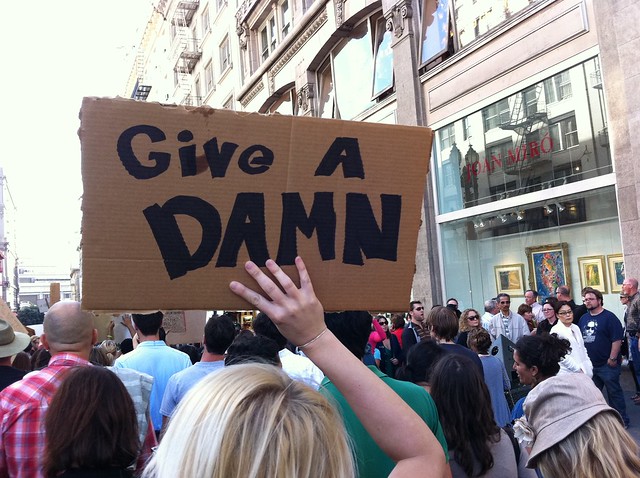
I have TWO friends in their mid-40s who are still paying off their student loans – halfway through their lives. America needs to invest in education. Forgiving student loan debt would have an immediate and profound effect on the economy.
MoveOn:
Forgiving the student loan debt of all Americans will have an immediate stimulative effect on our economy. With the stroke of the President's pen, millions of Americans would suddenly have hundreds, or in some cases, thousands of extra dollars in their pockets each and every month to spend on ailing sectors of the economy.
As consumer spending increases, businesses will begin to hire, jobs will be created, and a new era of innovation, entrepreneurship, and prosperity will be ushered in for all. A rising tide does, in fact, lift all boats—forgiving student loan debt, rather than tax cuts for corporations, millionaires and billionaires, has a MUCH greater chance of helping to raise that tide in a MUCH shorter time-frame.
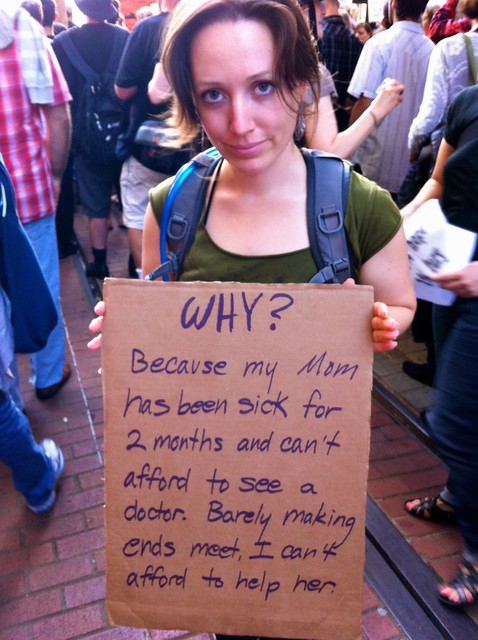
Spent the first half of this beautiful Saturday helping teach digital media skills to journalists, the second half in the streets of San Francisco marching in solidarity with OccupySF protestors. Today there were more than 1500 “occupation” marches taking place in cities around the country (check out the meta-information site OccupyTogether for information on greed-opposition protests near you).
The movement is criticized for being unfocused, for making too many simultaneous statements. In a way, that’s true. But that’s also its power. People are mad about a lot of different things: The bank bailouts, tax shelters, joblessness, golden parachutes for executives, corporations treated legally as persons, starvation of school budgets, the mystery of allowing churches to not pay taxes, threats to Medicare, the unlimited power of The Fed and the wars it funds… but most of the complaints come down to one thing: The effect of greed on the economy and our lives.
So what’s my beef? Posted this on Google+ the other day:
I am not opposed to wealth and I am not opposed to capitalism. I am opposed to greed. Capitalism without checks in place gives way to greed, which is abuse of the capitalist system. When greed rules, people get hurt. Bankers were allowed to crash our economy in part because, in the system of checks and balances, checks were removed that allowed greed to rule. Unwise deregulation allows self-serving greed to run rampant. If you were to ask me “What does Occupy Wall Street want?” I would answer “We want to restore the regulations that prevent unchecked greed from destroying the level playing field.”
It was just amazing to feel the collective energy of these 5,000 people taking over 10 square blocks in San Francisco. In the 1960s, when people got pissed they took to the streets. There was a spirit of collective power that’s largely gone missing in the 2000s (protests against the Iraq war were anemic and rare compared to those against Vietnam). But this felt different. Felt like the start of a new awakening that people actually have had enough, and are ready to stop being steamrolled by greed. I don’t know where all of this is headed, but it’s incredibly satisfying to see a protest movement rising up to address this very broken system. Over time, the message will become more concise. And who knows, maybe something will actually get done.
Miles told me this morning “Protests are boring – they’re just a bunch of people carrying signs that say ‘Up with this’ and ‘Down with that.'” Not sure I was able to get through to him – it’s tough figuring out how to explain all of this to a child. But in the streets today, I felt like the message of the day was carried more by the huge variety of ideals expressed through signs, even more than (often simplistic) chants that spread through the crowd like floating bubbles. Took a lot of photos today, mostly of signage. Here’s a Flickr set from the day, mostly of signs.
Birdhouse Hosting is super-proud to announce the launch of craigwork.com, exhibiting the work of Bay Area artist/sculptor/spacemaker Craig Hansen. Craig does absolutely mind-blowing work with cardboard, pencil, fabric, Kapla blocks, and other materials. Think you’ve made cool cardboard rockets with your kid? Check this one. His pencil drawings of objects found near a river are absolutely jaw-dropping (yes, they really are pencil drawings). If you’ve taken your kids to the Lawrence Hall of Science in Berkeley, you’ve probably experienced some of the educational space designs he helped imagine and construct.
Hansen was one of the lead designers for the “Forces That Shape the Bay” exhibit at Lawrence Hall of Science. If you’ve got kids and live in the Bay Area, you’ve almost certainly experienced the earthquake fault  simulator and river-blocking paddle system on display there.
Craig has also built some of the  tallest unglued Kapla Block constructions you’ve probably ever seen (the construction/demolition video is great).
I’ve worked closely with Craig over the past few months working out the web presentation for his work. The design is an example of “design by subtraction” – we started with an artist’s theme for WordPress and slowly removed elements we didn’t need until only the bare minimum remained. We hit a lot of roadblocks along the way, but I’m really proud of how the site turned out.
Geek note: WordPress doesn’t allow for icons representing categories and subcats, but I did find the excellent Category Icons plugin to get the job done. Unfortunately, a bug in the plugin causes the numeral “1” to be spit out after each icon. I tried many times, but could not get a response out of the developer, even after offering to pay for support. Didn’t have time to rewrite the plugin myself. In the end, I papered over the problem with a bit of jQuery that searches for the numeral “1” in a div and renders it white. Against a white background, the bug appears to vanish.
As much as I love Twitter, I’ve been spending a lot more time on Google+ over the past couple of months. The growth of the network has been absolutely explosive, and readers are flocking there in droves. Since part of my job at the Knight Digital Media Center is working on their social media presence, and the other part involves helping journalists to use digital tools effectively, I wrote up this blog post yesterday:
The jury’s still out on whether Google+ will eventually become a Twitter or Facebook killer. Talk to Facebook users and they’ll tell you Google+ is irrelevant – that the audience is too small, that their friends aren’t there1, or that only early adopters and geeks are posting. Business Insider says Facebook will wipe the floor with Google+. But the numbers tell another story, and if it’s not time for journalists to start using the platform today, it’ll soon be too big to ignore.
Recently I was interviewed about web engineering and Bucketlist.org by Michael Rucker of Entrepreneurial Minded (who is the person I originally bought the blank domain from). Had a very good conversation about frameworks vs. CMSs, how to accomplish a lot with few resources, and related topics. Full transcript here.
After four Saturday hours in the chair working on the intranet for my son’s school, couldn’t stand watching the sunshine go by outside and threw myself into the hills.
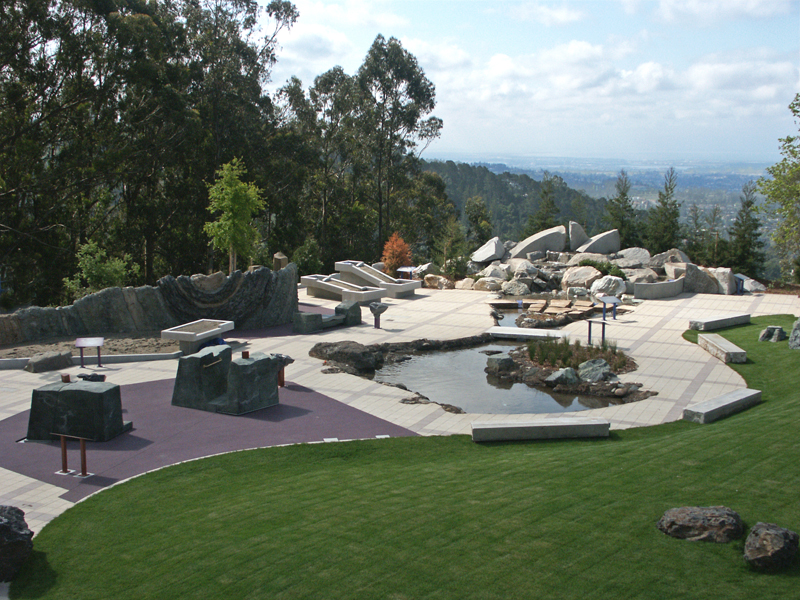
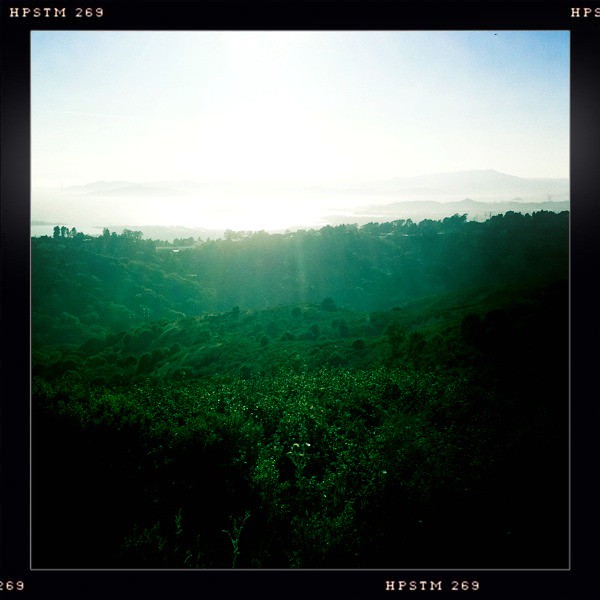
Discovered a secret route a while ago, down to the bottom of Wildcat Canyon from El Cerrito. Decided to take it further and head back up the other side, along the ridge, and back down near Little Farm. Pushed it hard – six miles in two hours, 1300 feet of climbing total, moved through three totally different landscapes: Eucalyptus groves, summertime California chaparral, dense oak forest. Ended up at the stone circle lookout at the top before descending – religious moment. Took headphones but never used them – just needed time to be quiet in nature. On hikes like these, I like to be unencumbered if possible. That means loading up on water before I go and returning thirsty, so I don’t have to take a water bottle with. Something about not taking a backpack makes the trip more of a float, less of a lug.
There are so many amazing trails through the East Bay hills, you could spend a lifetime exploring them. Can see myself growing old as a Bay Area trail rat.
After too many years with just one cat, who is lovely but quite old and inactive, mute, and seldom friendly, today we adopted a pair of kittens from a foster mother who had rescued them from Berkeley Animal Shelter. The house has come alive! Miles loves them. They came with a great pair of names – Mustachio and Carissa – but the names may change, we’re not sure yet. Need to live with them for a bit before we know for sure. Looking forward to many great years with these two!
Just returned from a week traipsing up and down the California coast – combo family/friend road trip + first Disneyland pilgrimage for Miles and Amy. Beyond the awesomeness of spending quality time with my brother and an old friend, a few Cliff notes:
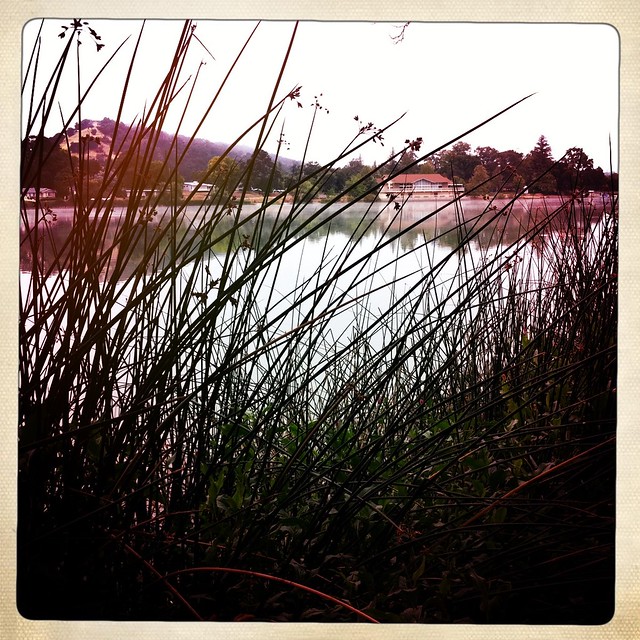
As a boy in the early-mid 1970s, spent many summers swimming in Atascadero Lake, so was bummed to learn that it’s actually been closed to swimming since May ’85, mainly due to high levels of bird feces in the water (lots of ducks/geese for a small body of water, and very little fresh in/outflow). But with the loss of swimming as a central activity, a wonderful summertime lakeside community has vanished. Saw very few people hanging out, despite beautiful weather – something great’s been lost. Kind of hard to see why the city doesn’t mount a cleanup effort rather than lose this centerpiece of the central coast. On the other hand, I have to wonder exactly what I was exposed to as a boy…
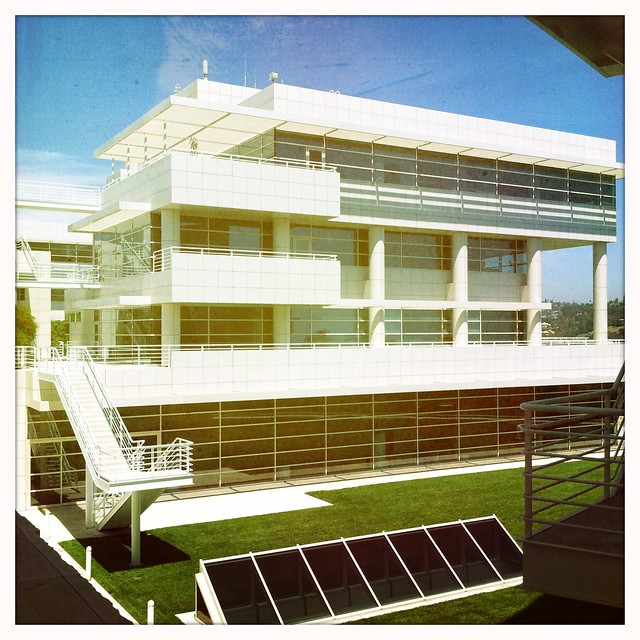
On the way to L.A., we spent a half day at the amazing Getty Museum, a slab of architectural miracle perched high on the hills above Los Angeles, packed with classics. Honestly, their collection wasn’t exactly up our alley, but we dug the exhibition of Cuban photography covering the pre- and post-revolution periods. Mostly just an incredible place to spend a day.
Also whiled away an afternoon on State St. in Santa Barbara – a great example of a community thriving around a highly walkable downtown area full of funky shops, artists, great restaurants, vintage shops, and music stores. Caught it during a farmer’s market in full swing, which made it even better. Had a two-martini seafood feast on the pier with an old friend, making up for lost time. Bummed to see the old Hotel California shuttered – in the 1970s, Dad was a railroad engineer and would put my brother and I on the Amtrak with him to Santa Barbara, where we’d stay overnight at the California, then eat at Sambo’s and return home the next day. The Hotel California may or may not have been the subject of the Eagles song of the same name, depending on who you ask. Seeing it closed just didn’t seem right.
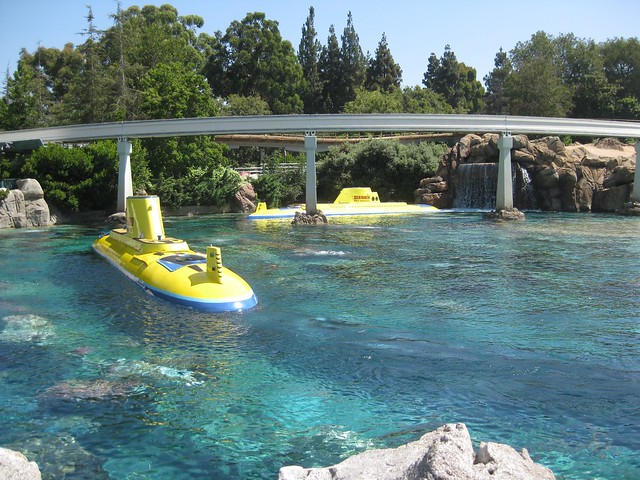
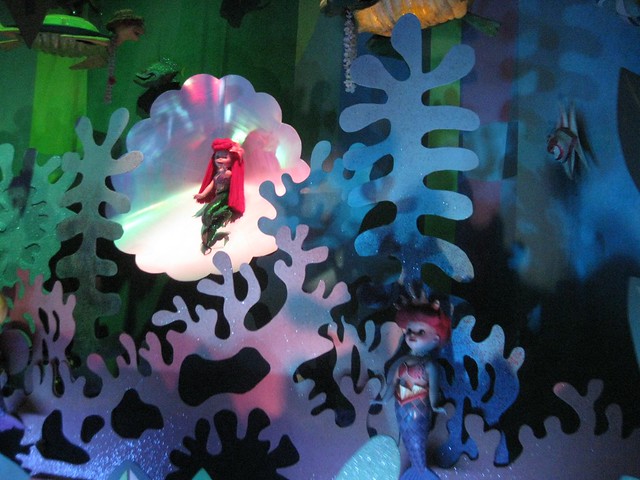
That leaves Disney, equal parts magical/amazing and disappointing. Last time I visited was as a young boy, probably around six or seven years old. So much has changed in the meantime, but so much remains. Can’t fault the park for evolving, but it’s hard to stomach the parts that have changed for the worse. One of my favorite attractions was always the submarine voyage, where you learned a ton about undersea life (Dad was a professional scuba diver, so for us, it was like a glimpse into his amazing/secret world). The apex of the ride was always the part where the submarine was attacked by a giant animatronic squid. Sadly, what you get now are a bunch of underwater digital projections of clips from the Disney/Pixar movie Finding Nemo, which left us disembarking from the sub scratching our heads. What’s the point? Fun fact: Once upon a time, Disney employed young maidens as live mermaids, to just sit on rocks in the sub lagoon flopping their tails. They stopped doing that after a few years because real live young gentlemen kept swimming out to hang with them.
Also gone is the Bear Country Jamboree (are you kidding me?), and the Adventure Through Inner Space, which simulated the experience of having your body shrunk down to the size of an atom. The good news is, Inner Space has been replaced with Star Tours, a most excellent 3-D seat shaker with witty dialog and excellent presentation. Pirates of the Caribbean is mercifully untouched, except for the introduction of not one but three animatronic Jack Sparrows. Freaky thing is, the Sparrow robots are 30 years more modern than all the rest in that ride, and the first one leaves you pretty well convinced they’ve parked real actors in there… until you realize he’s more than a bit repetitive. Important thing is, the spirit of the ride is untouched.
As always, one of the most amazing things about Disneyland is how sparkling everything is. Despite thousands of people milling around at all times, the streets and the rides are all spotless, cleaned relentlessly. All of the employees (sorry, “the cast”) are super friendly, and the introduction of the Fast Pass system means you don’t have to stand in lines for 45 minutes anymore if you do a bit of planning. And they still put on a fab fireworks show every single night (on top of the over-the-top Fantasmic show on the river, as well as the new World of Color spectacle at California Adventure, where we spent a second day).
Pretty much a glorious road trip, start to finish. Now if they could just do something about traffic on Southern California highways, which was miserable in both directions between LA and Ventura.
Two Flickr sets (see slideshows for full-screen), or non-slideshow for captions):
Note: These instructions are for root owners of WHM/cPanel systems, not end users.
If you want to run Django sites on a cPanel server, you’ll probably want to use the mod_wsgi Apache module. There are plenty of instructions out there on compiling mod_wsgi, but if you create it outside of the cPanel system, mod_wsgi.so will vanish each time you run easy_apache to upgrade your apache and php.
The key is to install this mod_wsgi for cPanel module. But before you go there, you’re going to want a more recent version of Python installed, since RedHat and CentOS still ship with Python 2.4, which will be deprecated by Django soon. However, you can’t overwrite the system-provided Python because yum and Mailman depend on it.
Download Python 2.7 (or whatever the latest is) into /usr/local/src. It’s critical that you build Python with shared libraries enabled, since mod_wsgi will be wanting to use them. So unpack the Python archive and cd into it, then:
./configure --enable-shared

make install
You’ll get a new build of python in /usr/local/bin, without disrupting the native version in /usr/bin. Any user wanting python2.7 to be their default can add this to their .bash_profile:
PATH=/usr/local/bin:$PATH:$HOME/bin
You’ll also get new libpython shared objects in /usr/local/lib. When you go to build mod_wsgi, easy_apache will need to look for python libs in that location. I found that copying the libs into standard library locations such as /lib and /usr/lib as suggested here didn’t do the trick. What did work was to add a system configuration file pointing to the new libs. Do this:
cd /etc/ld.so.conf.d

echo "/usr/local/lib/" > python27.conf

ldconfig
Now you’re ready to build mod_wsgi through easy_apache. Download custom_opt_mod-mod_wsgi.tar.gz from this ticket at google code and run:
tar -C /var/cpanel/easy/apache/custom_opt_mods -xzf custom_opt_mod-mod_wsgi.tar.gz
That unpacks the module into the right location so that easy_apache will find it and present it as a build option. Run easy_apache as usual (either via script or through WHM) and select the mod_wsgi option. When complete, you’ll find mod_wsgi.so along with all your other modules in /usr/local/apache/modules. The best part is, this will now become part of the default easy_apache build process, so Django sites won’t break when you rebuild apache+php in the future.
Many thanks to challgren for creating the module and to Graham Dumpleton for all of his mod_wsgi evangelism and support.
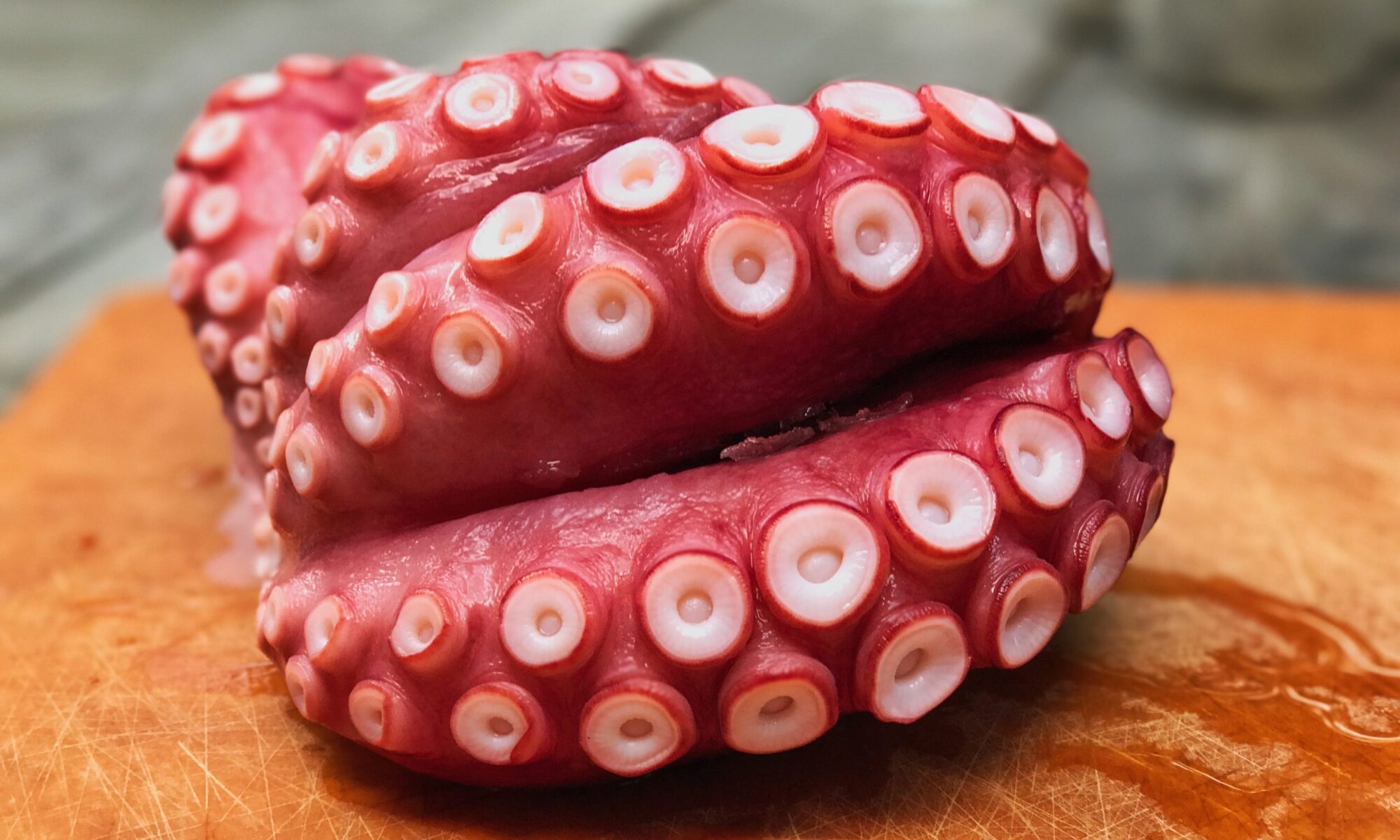



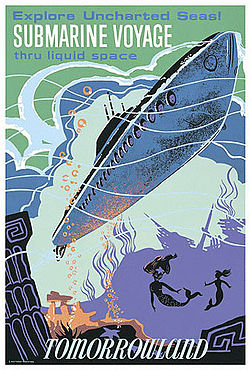 That leaves Disney, equal parts magical/amazing and disappointing. Last time I visited was as a young boy, probably around six or seven years old. So much has changed in the meantime, but so much remains. Can’t fault the park for evolving, but it’s hard to stomach the parts that have changed for the worse. One of my favorite attractions was always the submarine voyage, where you learned a ton about undersea life (Dad was a professional scuba diver, so for us, it was like a glimpse into his amazing/secret world). The apex of the ride was always the part where the submarine was attacked by a giant animatronic squid. Sadly, what you get now are a bunch of underwater digital projections of clips from the Disney/Pixar movie Finding Nemo, which left us disembarking from the sub scratching our heads. What’s the point? Fun fact: Once upon a time, Disney employed young maidens as live mermaids, to just sit on rocks in the sub lagoon flopping their tails. They stopped doing that after a few years because real live young gentlemen kept swimming out to hang with them.